
People in Georgian Britain used to rent pineapples.
In 1700s Britain, a pineapple was a very expensive way to show off. Historians say some people rented a pineapple for a party and gave it back afterwards. The basic story is well known, but the exact details are hard to prove.
Pineapples really were costly status symbols shown off at the table, and historians describe a hire trade, though the details are thinly documented.
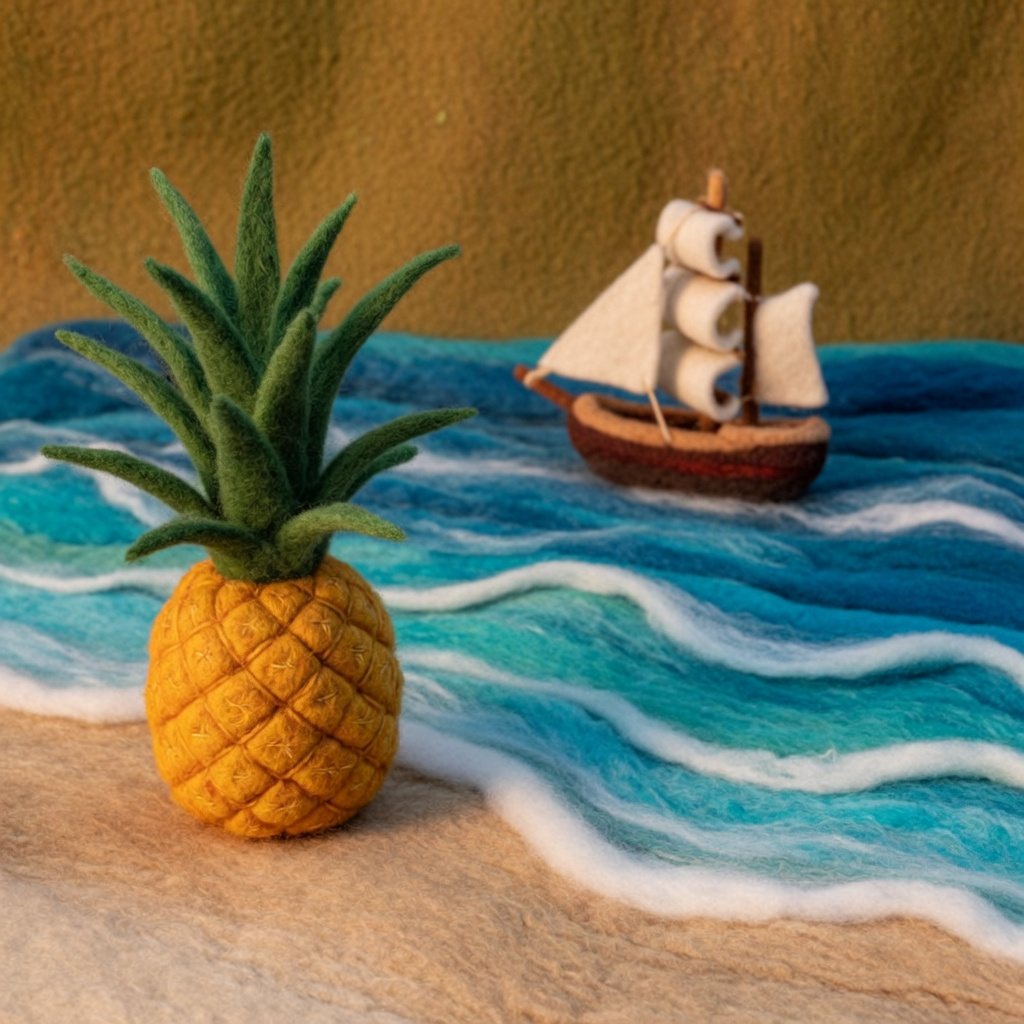
Pineapples first grew in South America. In 1493, Christopher Columbus's crew found them in the Caribbean and took some back to Spain. But the sea trip took weeks. Most pineapples arrived bruised or rotten. A good pineapple in Europe was very rare.
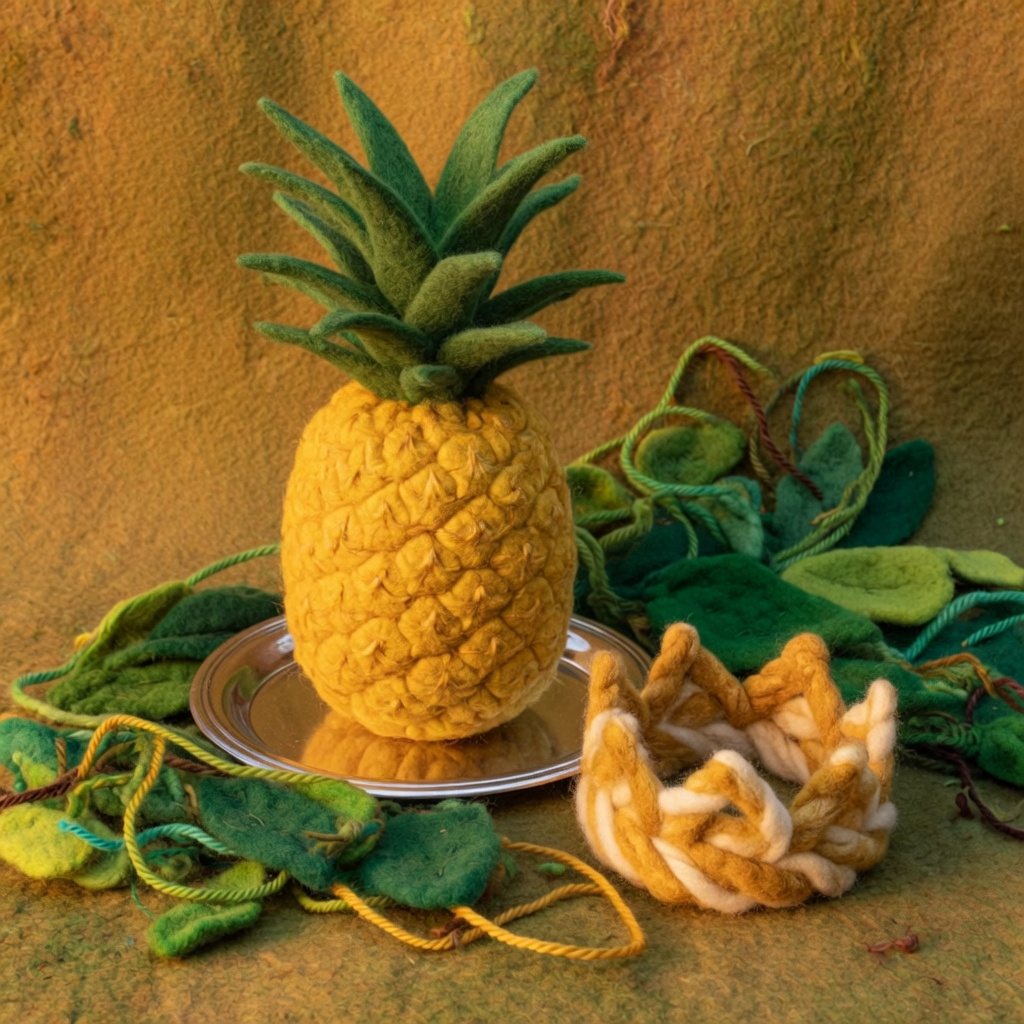
Soon the pineapple became a sign of great wealth. A painting from the 1670s shows King Charles II of England being given a pineapple. It was a fruit fit for a king.
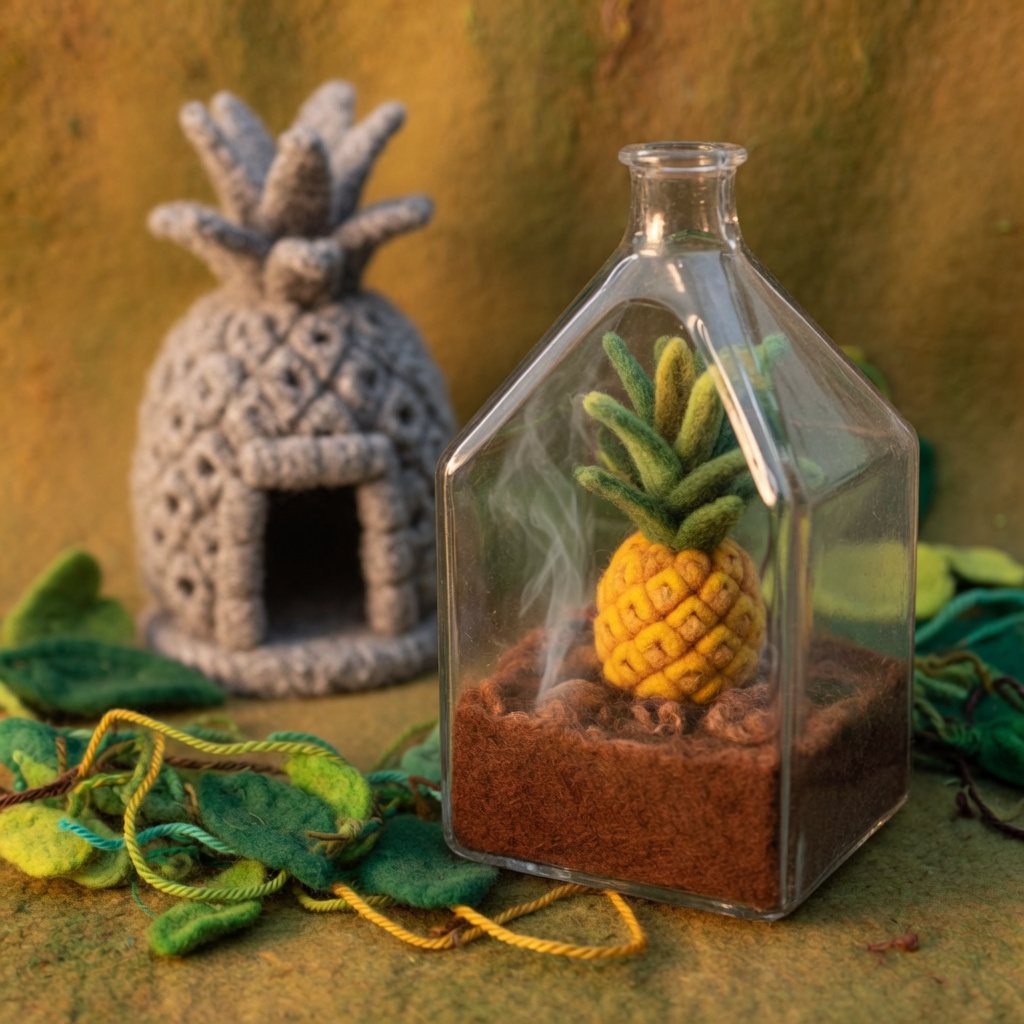
Rich people in Britain wanted to grow their own. That was hard work. Pineapples need heat, and Britain is cold. Gardeners built special warm houses called pineries. These were heated by rotting horse manure or tree bark, which gives off heat as it breaks down. Each plant took years to make one fruit. In Scotland, a lord even built a garden building topped with a giant stone pineapple in 1761.
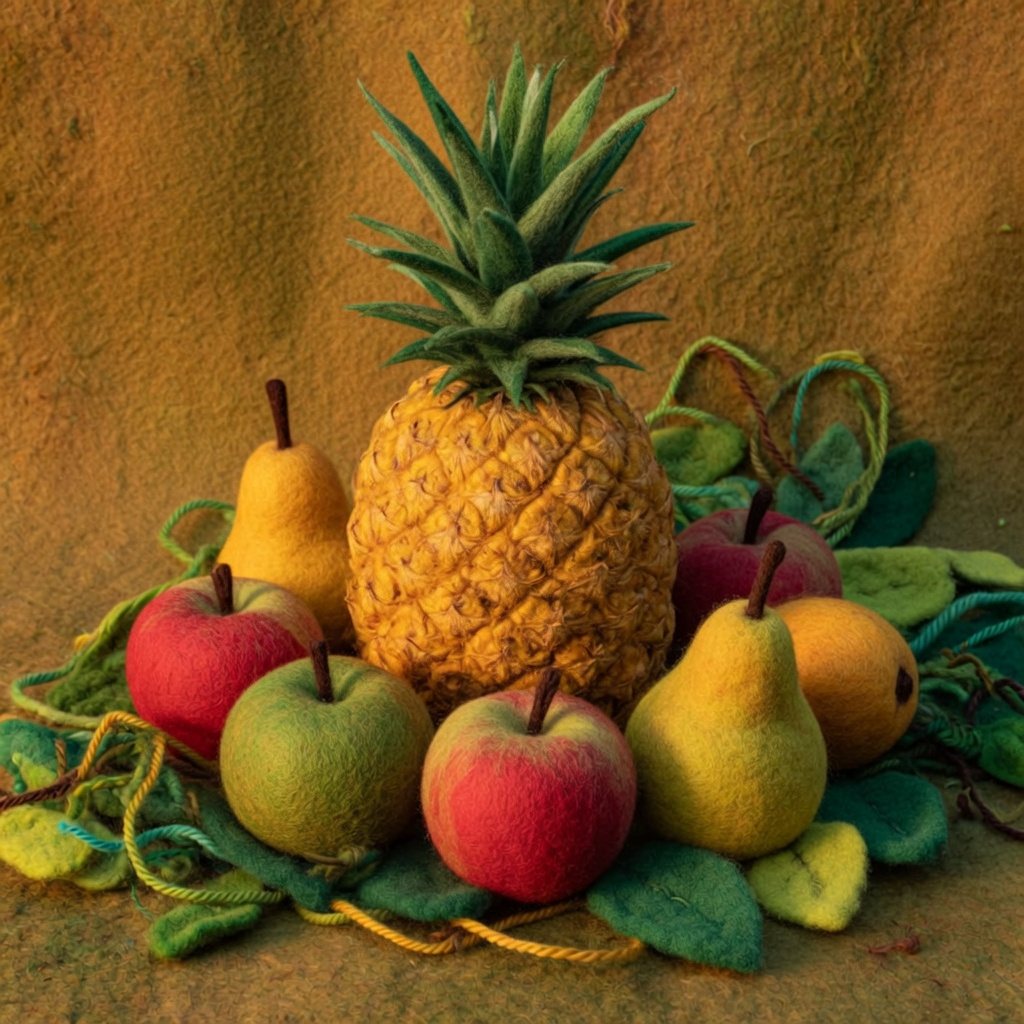
Because a pineapple cost so much, people often did not eat it. It sat in the middle of the table at a fancy dinner. Guests admired it and ate cheaper fruit around it. The same pineapple could be shown off at party after party, until it started to go bad.

That is where renting comes in. In the late 1700s and early 1800s, more families wanted pineapples, but not all could buy one. Historians and writers describe traders who hired out pineapples for an evening. Some people may even have carried one around just to be seen with it. The stories are not well recorded, so we cannot be sure of prices or details.
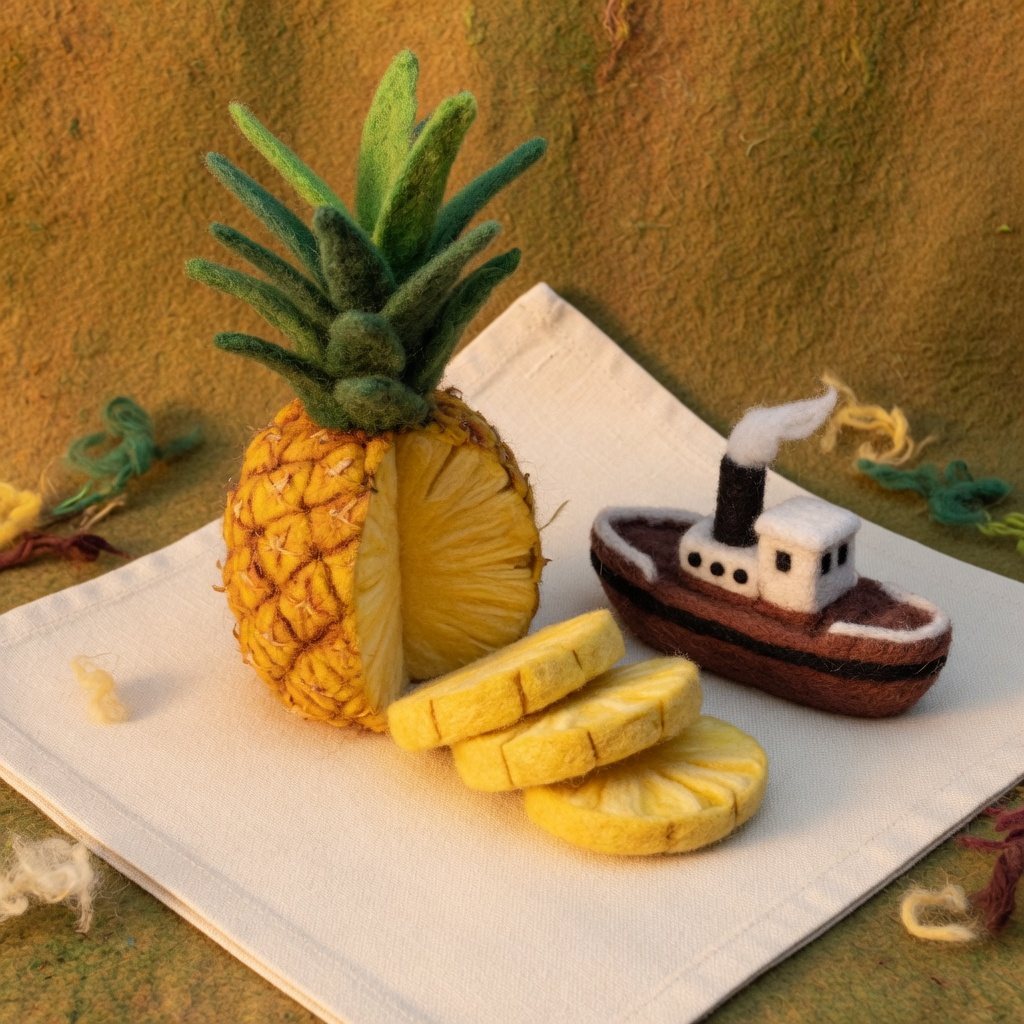
In the 1800s, faster steamships brought fresh pineapples from hot countries, and prices dropped. Later, big farms in Hawaii made tinned pineapple cheap. Now you can buy one at the supermarket and eat it.
Want to know more?The full history, step by step
The story you've heard
It is one of those facts that sounds too odd to be true: Georgian party hosts hiring a pineapple for the night, displaying it like a borrowed jewel, and sending it back uneaten in the morning.
The core of it holds up. Pineapples were among the most prestigious foods in Britain for well over a century, and a hire trade is described by several historians and writers. The neat details, such as exact prices, are harder to pin down.
A fruit fit for a king
Pineapples are native to South America. Christopher Columbus's crew met them in the Caribbean in 1493 and carried them back to Spain. The trouble was the journey: fruit shipped across the Atlantic usually arrived bruised or rotten, so a good pineapple in Europe was a rare thing.
In the Royal Collection there is a painting from around 1675 to 1680 showing a kneeling man, possibly the royal gardener John Rose, presenting a pineapple to Charles II. It is often said to show the first pineapple grown in England, but the Royal Collection Trust thinks the fruit was more likely imported. Either way, the message was clear: this was a fruit for kings.
Growing one at home took serious money. Gardeners built heated houses and pits, called pineries, warmed by rotting horse manure or fermenting tanners' bark, and nursed each plant for years before it fruited. In Scotland, James Justice raised the first home-grown pineapples at Crichton in Midlothian around 1732. In 1761 the Earl of Dunmore added a garden pavilion near Falkirk that was later crowned with an enormous stone pineapple. Still standing, it is a monument to the fruit's glamour.
For show, not for pudding
Because each fruit was so precious, a pineapple was often the centrepiece of a grand dessert table rather than something to slice up. Guests admired it while eating cheaper fruit around it. Writers on the period describe the same fruit being displayed at one occasion after another until it finally began to spoil.
The craze was not only British. Across Europe, monarchs such as Louis XV and Catherine the Great enjoyed hothouse pineapples, and in colonial America wealthy hosts set the fruit at the centre of the table as a sign of hospitality. According to some accounts, those pineapples were only eaten once they had started to turn.
That is where the rental trade comes in. As the fruit grew fashionable among the rising middle classes in the late eighteenth and early nineteenth centuries, some traders reportedly hired out pineapples for an evening to people who could not afford to buy one. Some accounts even describe renters carrying the fruit along to a party simply to be seen with it. The trade is repeated in many popular histories, but the surviving evidence is anecdotal, and big claims such as a single fruit costing thousands of pounds in today's money should be taken with a pinch of salt.
The fruit's fame showed up in the language too. In Richard Brinsley Sheridan's 1775 comedy The Rivals, Mrs Malaprop calls a man the very pineapple of politeness. She means pinnacle, but the joke worked because a pineapple already stood for the very best.
From trophy to tin
Change came in stages. From the 1830s, imported pineapple jam gave middle-class families a cheaper taste of the fruit, and over the following decades prices slid from outrageous to merely very expensive, so people began to eat pineapples now and then rather than simply display them.
Faster steamships in the nineteenth century brought fresh pineapples from the tropics in good condition, and prices fell. Home pineries slowly went out of use. In the twentieth century huge plantations in Hawaii made tinned pineapple an everyday food, and refrigerated shipping later did the same for fresh fruit.
On your plate today
The pineapple's grand past is still visible if you look up. Carved pineapples sit on gateposts, railings and rooftops across Britain, a sign of welcome and wealth. Today you can pick one up in the supermarket for the price of a sandwich, and nobody expects you to send it back.
Timeline
- 1493Columbus's crew encounters pineapples in the Caribbean.
- c. 1675–80A painting shows Charles II being presented with a pineapple.
- c. 1732James Justice grows Scotland's first pineapples at Crichton, Midlothian.
- 1761The Dunmore Pineapple pavilion is built for the 4th Earl of Dunmore.
- 1775Sheridan's The Rivals jokes about the very pineapple of politeness.
- Late 1700s–1800sPineapples become a middle-class status symbol, sometimes hired for an evening.
Sources
- When Londoners would rent pineapples instead of eating them · ianVisits
- The Super Luxe History of Pineapples · Mental Floss
- Charles II presented with a pineapple · Royal Collection Trust
- The Pineapple (GDL00368) · Historic Environment Scotland
Spotted something we got wrong? Message us on any of our channels and we'll check it.
Woolly facts
Christopher Columbus's crew met the pineapple in the Caribbean in 1493 and carried it back to Spain.
A painting from around 1675 shows King Charles II of England being presented with a pineapple.
British gardeners grew pineapples in heated pits warmed by rotting horse manure.
The Dunmore Pineapple in Scotland is a garden building topped by a giant stone pineapple, and you can stay there on holiday.
In Sheridan's 1775 play The Rivals, Mrs Malaprop calls a man the very pineapple of politeness, when she means pinnacle.
James Justice grew Scotland's first pineapples at Crichton in Midlothian around 1732.
Pineapple-shaped teapots and porcelain dishes became fashionable in Britain from the 1760s.
Carved stone pineapples on gateposts and rooftops across Britain were a sign of welcome and wealth.