
A 12-year-old figured out how to grow almost all the world's vanilla.
Vanilla comes from an orchid flower from Mexico. Far from home, the flowers made no vanilla pods. In 1841 Edmond Albius, an enslaved boy of about twelve on the island of Réunion, found a quick way to pollinate them by hand, and growers still use it today.
In 1841 Edmond Albius, an enslaved boy of about twelve on Réunion, found the quick hand-pollination method still used for nearly all vanilla.
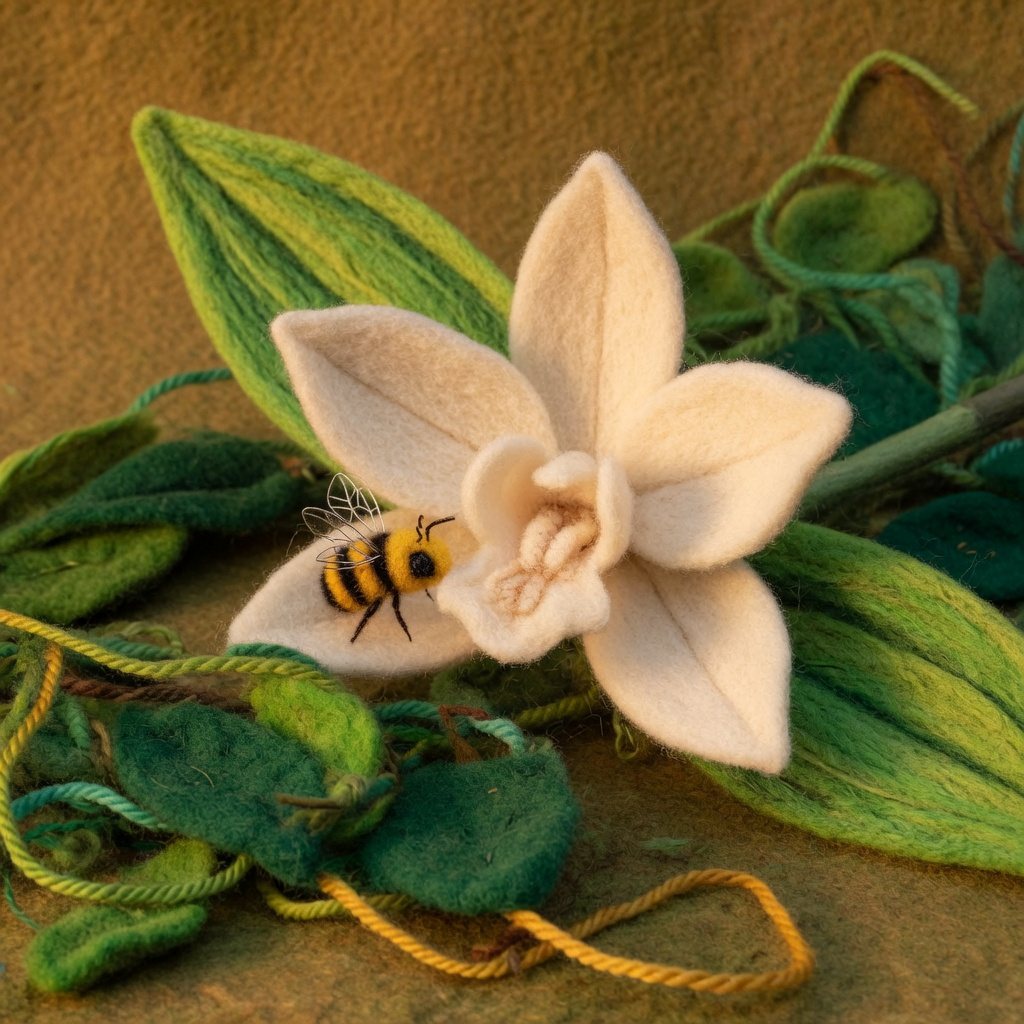
Vanilla comes from the seed pods of an orchid, a kind of flower. The plant first grew in Mexico. There, a local bee pollinates it. Pollinating means moving pollen so the flower can make seeds and pods. Inside each vanilla flower, a thin flap keeps the pollen apart, so the flower needs help.
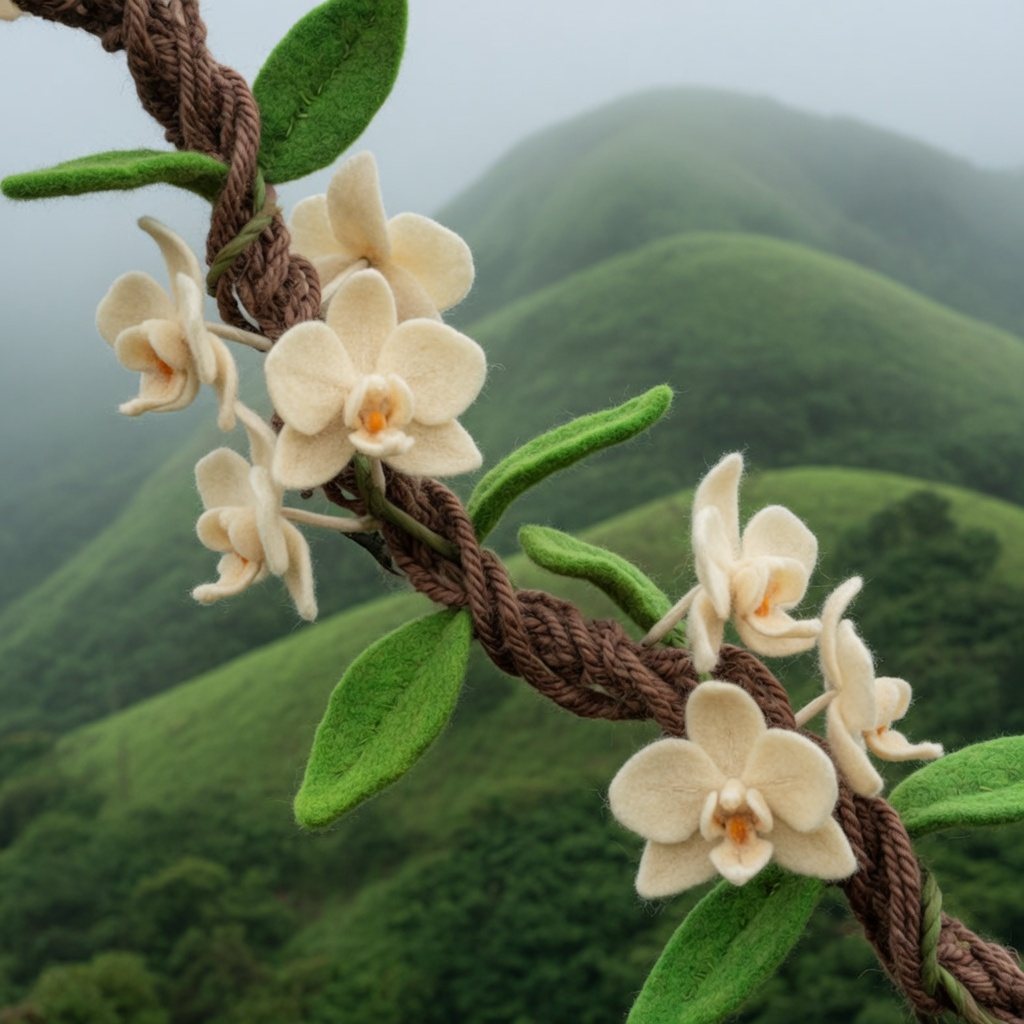
In the early 1800s, people took vanilla plants to other places. One went to the island of Réunion, in the Indian Ocean, which was then a French colony. A landowner there, Féréol Bellier Beaumont, grew a vine for years. It flowered, but it never made a single pod. The right bee did not live on the island.
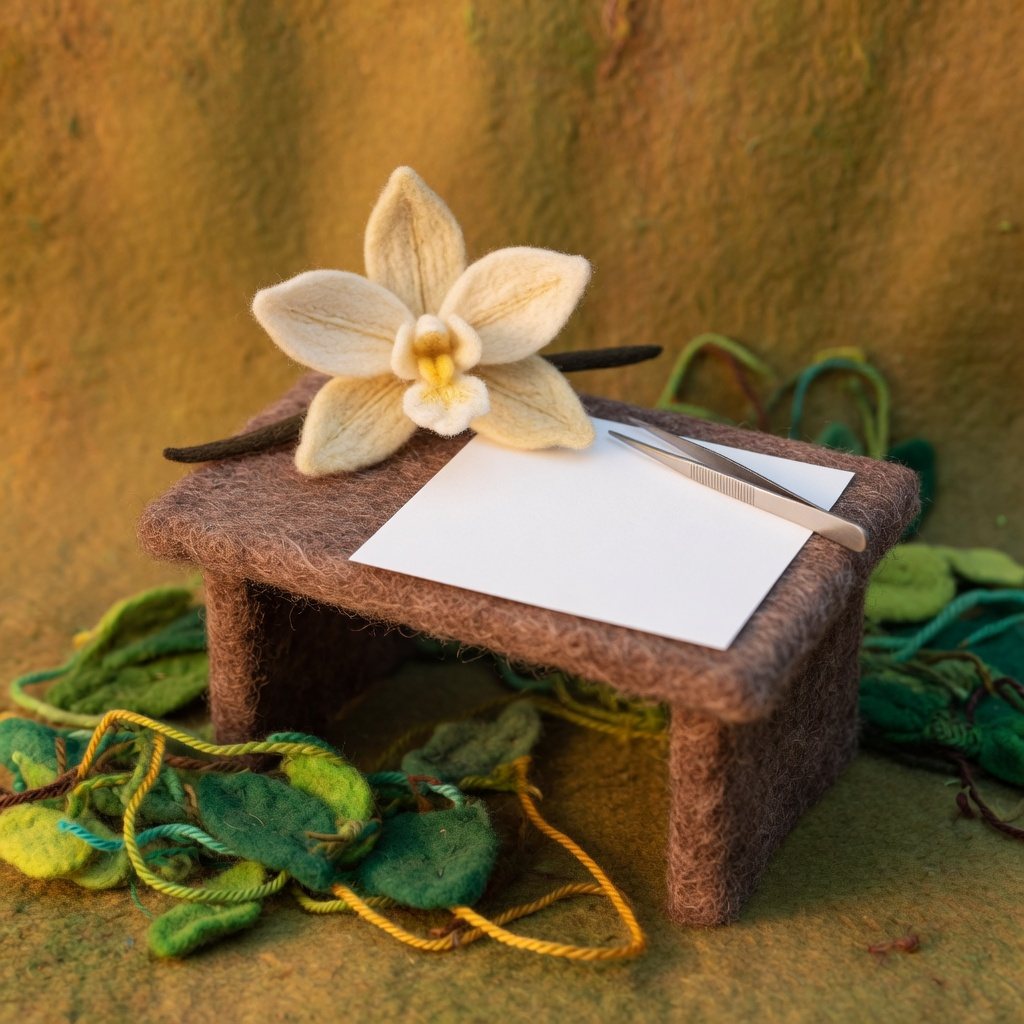
In 1837 a Belgian scientist, Charles Morren, published a way to pollinate vanilla by hand. But it was slow and fiddly. It did not help farmers much.
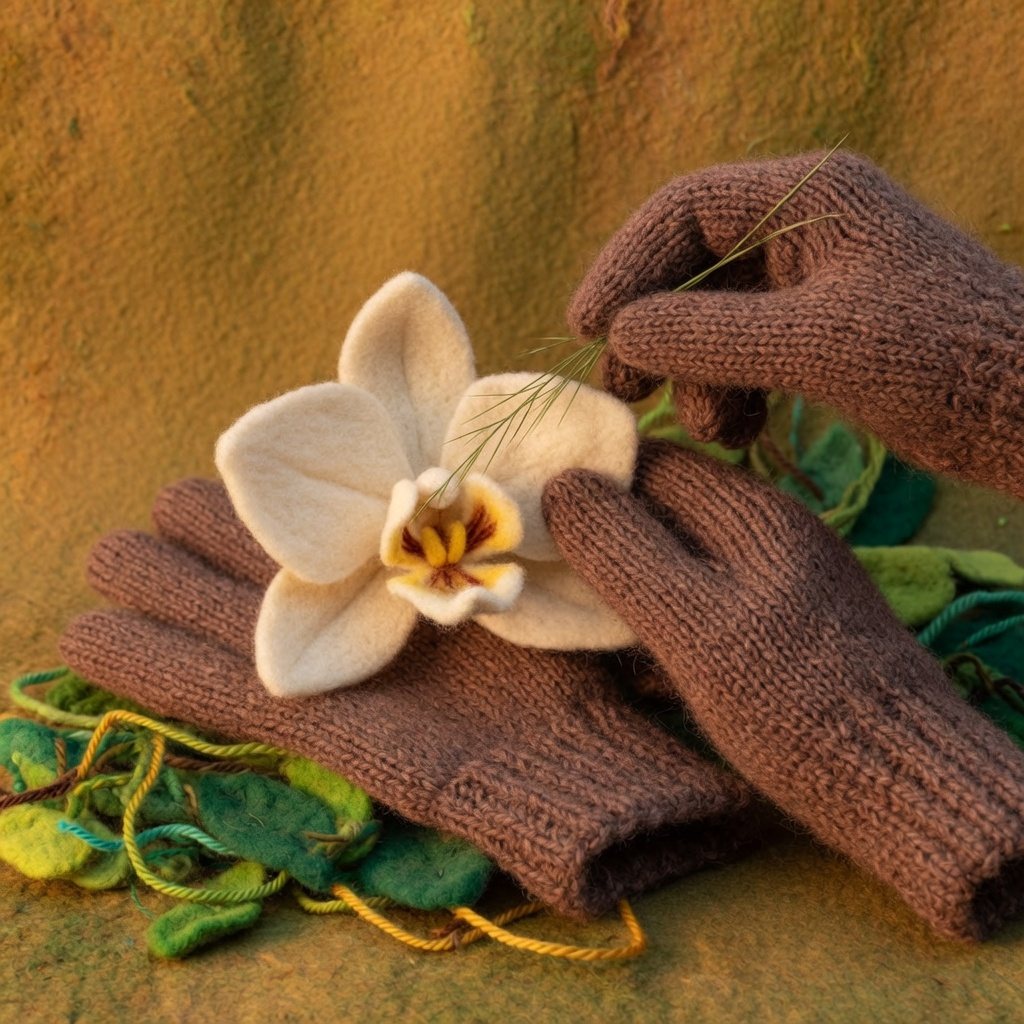
Edmond was born in 1829 on Réunion, and he was enslaved on Bellier Beaumont's land. The landowner taught him about plants. In 1841, when Edmond was about twelve, two pods appeared on the vine. Edmond said he had done it. He lifted the tiny flap with a thin stick or a blade of grass. Then he pressed the pollen into place with his thumb. It took only a moment.
Bellier Beaumont tested it, and it worked. Edmond was sent to teach the trick to workers across the island. Réunion soon grew huge amounts of vanilla. Later, a scientist claimed the idea was his. But Bellier Beaumont wrote letters saying Edmond was the real discoverer, and historians agree.
In 1848 France ended slavery, and Edmond was freed. He took the surname Albius. Yet he was never paid for his idea, and he died poor in 1880. Today almost all the world's vanilla is still pollinated by hand, using his method. Réunion honours him with a statue, a street and a school.
Want to know more?The full history, step by step
The story you've heard
Vanilla is so ordinary now that it is the word we use for plain. Yet almost every vanilla pod on earth exists because of a discovery made by a child, and for a long time hardly anyone outside Réunion knew his name.
His name was Edmond Albius. He was about twelve years old in 1841, and he was enslaved. This is his story, and it is one of the most remarkable in the history of food.
An orchid that would not cooperate
Vanilla comes from the seed pods of an orchid native to Mexico, where the Aztecs prized it and collected it as tribute. In the wild the flowers are pollinated by a bee found only in that part of the world. A thin flap of tissue separates its male and female parts, so without the right helper nothing happens.
In the early 1800s cuttings were taken to Europe and to French colonies. On the island of Bourbon, now Réunion, a landowner named Féréol Bellier Beaumont received vanilla cuttings around the late 1810s. His vine grew and flowered for years but stayed stubbornly barren.
Scientists had already tried to solve the puzzle. In 1836 and 1837 the Belgian botanist Charles Morren worked out how to pollinate vanilla by hand and published his method. It was careful and slow, and it stayed mostly in the world of academic botany. It was not a practical way to run a plantation.
The boy who solved it
Edmond was born in 1829 in Sainte-Suzanne on Réunion. His mother died giving birth to him, and he grew up enslaved on Bellier Beaumont's estate, where the landowner taught him about plants, including how to pollinate watermelon flowers by hand.
In 1841 Bellier Beaumont was surprised to find two pods on his vine. Edmond explained that he had pollinated the flower himself. Using a thin stick or a blade of grass, he lifted the little flap inside the flower, then pressed the pollen onto the sticky surface with his thumb. It took moments, not minutes. Bellier Beaumont tested it, saw that it worked, and publicised the method in the local press.
Planters across the island soon wanted to learn the technique, and Edmond was made to teach it to others. Réunion's vanilla exports rose from about two tonnes in 1858 to around twenty tonnes in 1867 and two hundred tonnes by 1898, overtaking Mexico. French growers later carried the method to Madagascar, which is now the world's biggest producer.
Credit, and what he was denied
Not everyone accepted that an enslaved boy had made the breakthrough. The botanist Jean Michel Claude Richard claimed he had shown the method on the island a few years earlier. Bellier Beaumont rejected this in writing, including in a letter of 1861, and defended Edmond as the true discoverer. Historians today give Edmond the credit.
When France abolished slavery in its colonies in 1848, Edmond was freed and given the surname Albius. Freedom did not bring fortune. He was never paid for a discovery that made others rich. He moved to Saint-Denis, was later convicted in a theft case and sentenced to hard labour, and was released early after Bellier Beaumont pleaded on his behalf. Requests for a state pension were turned down. He died in poverty in Sainte-Suzanne in 1880; a local paper described his end as destitute and miserable.
On your plate today
Growers still pollinate vanilla by hand, flower by flower, using essentially the gesture Edmond worked out, and each pod then takes about a year to develop before it is cured. That is one reason real vanilla is so expensive. Réunion now honours him with a plaque, a statue, a street and a school. Next time you smell vanilla in a cake or a custard, it is worth saying his name: Edmond Albius.
Timeline
- Late 1810sVanilla cuttings reach Bellier Beaumont on Bourbon (Réunion); his vine stays barren.
- 1829Edmond is born into slavery in Sainte-Suzanne.
- 1836–37Charles Morren in Belgium publishes a slow hand-pollination method.
- 1841Edmond, about twelve, discovers the fast method still used today.
- 1848Slavery is abolished in French colonies; Edmond is freed and takes the surname Albius.
- 1880Edmond Albius dies in poverty in Sainte-Suzanne.
- 2004A statue honouring him is unveiled on Réunion.
Sources
- Edmond Albius: the boy who revolutionised the vanilla industry · The Linnean Society of London
- The Boy Who Was King of Vanilla · Nautilus
- Edmond Albius · Europeana
- Edmond Albius · Wikipedia
Spotted something we got wrong? Message us on any of our channels and we'll check it.
Woolly facts
Almost every vanilla pod in the world starts with hand-pollination, using the method Edmond Albius found at about age twelve.
Edmond Albius worked out how to pollinate vanilla in 1841 using a blade of grass or thin stick and his thumb.
Vanilla is the seed pod of an orchid that first grew in Mexico, where the Aztecs prized it.
In Mexico, the vanilla orchid is pollinated by a local bee that does not live in most other places.
Réunion's vanilla exports grew from about two tonnes in 1858 to around two hundred tonnes by 1898.
Madagascar, not Mexico, is now the world's biggest vanilla producer, thanks to the method of Edmond Albius.
Each hand-pollinated vanilla pod takes about a year to grow and then must be cured, which is one reason real vanilla is expensive.
A statue honouring Edmond Albius, who made vanilla farming possible, was unveiled on Réunion in 2004.