Fortune cookies aren't Chinese.
Many people think fortune cookies come from China, but they do not. They grew out of a Japanese cracker and were first served in California. Chinese restaurants in America took them up later.
The fortune cookie grew out of a Japanese cracker and took shape in California; Chinese restaurants adopted it later.
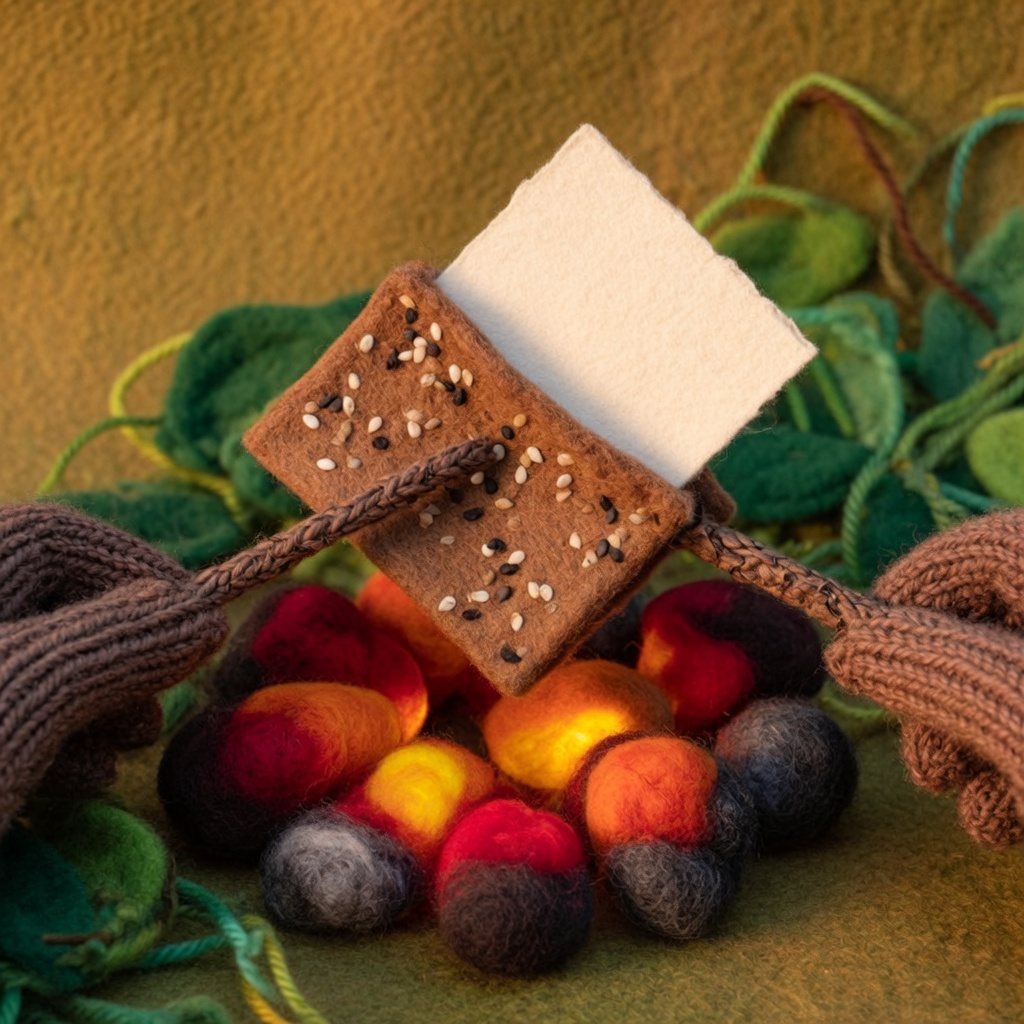
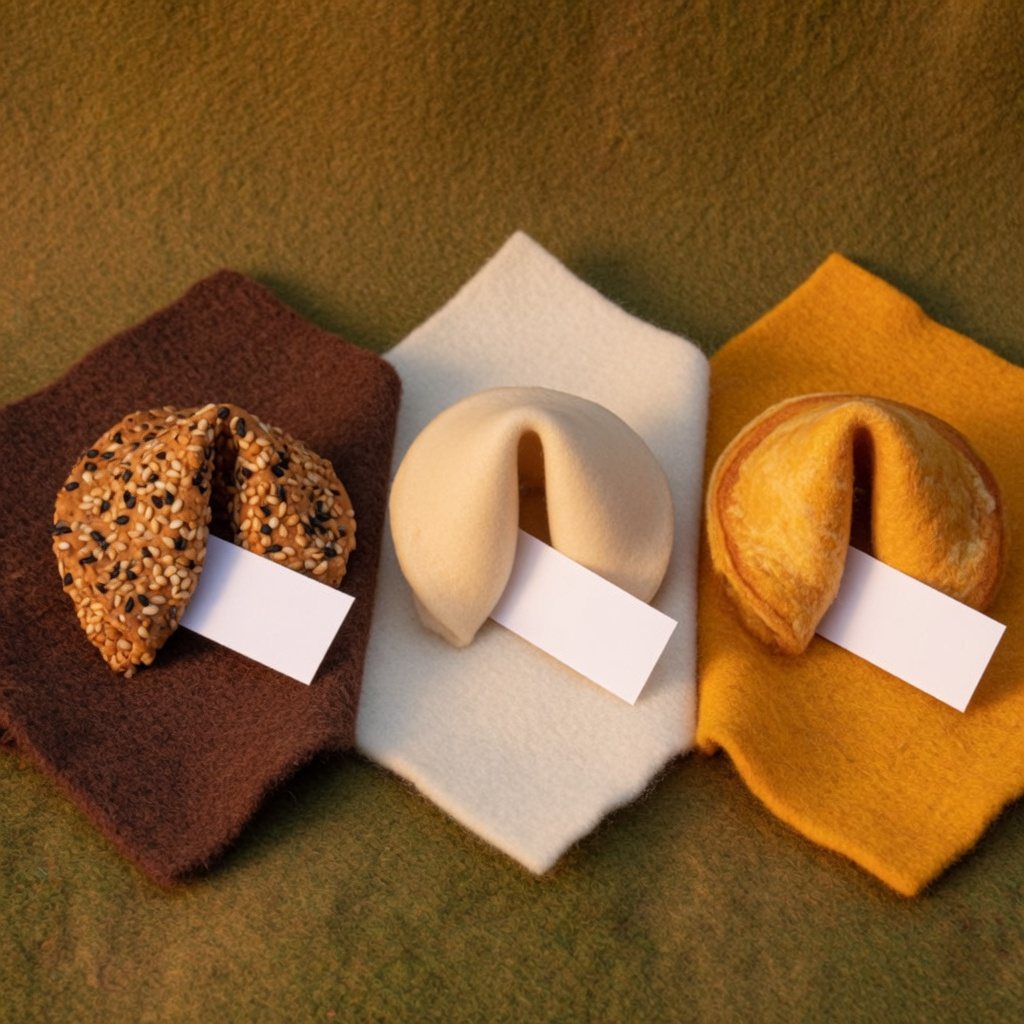
The fortune cookie's story starts in Japan. Bakers there made a folded cracker called tsujiura senbei, which means fortune cracker. A paper slip was tucked into the fold. A Japanese drawing from 1878 shows a young baker grilling them over hot coals. These crackers were bigger and browner, and tasted of sesame and miso, a salty bean paste.
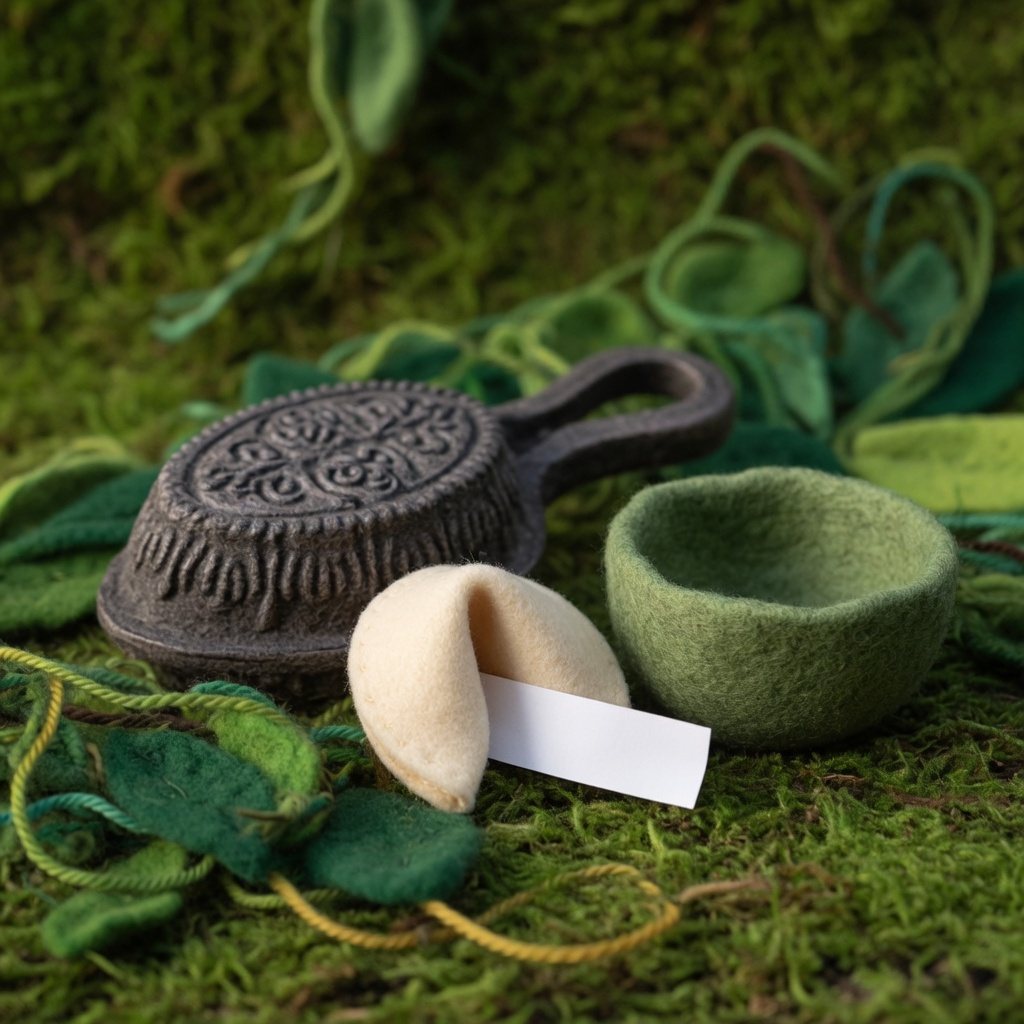
Japanese immigrants brought the idea to California. Makoto Hagiwara was a gardener who looked after the Japanese Tea Garden in San Francisco. His family said he served fortune cookies with green tea there between about 1910 and 1914. The cookies were pressed by hand in small iron moulds.
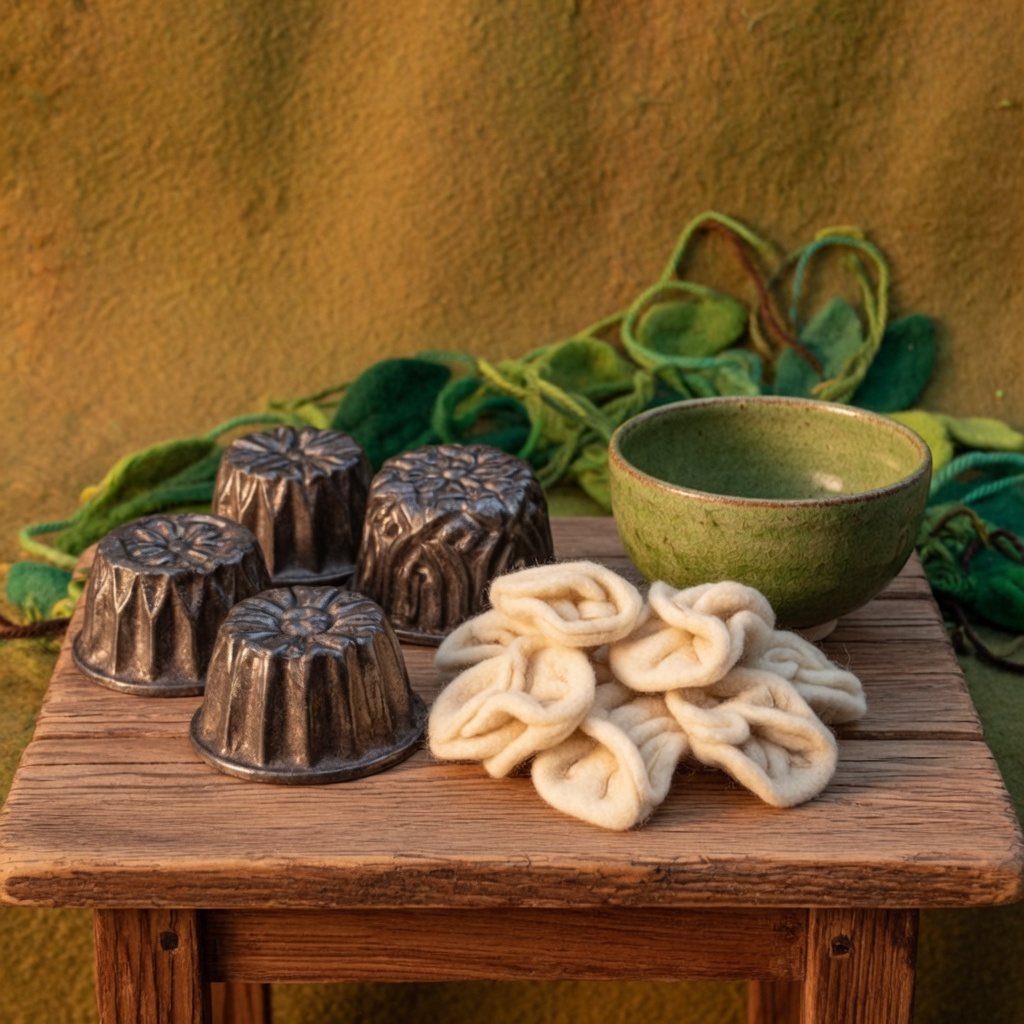
Soon the garden could not make enough. A local Japanese sweet shop called Benkyodo took over the baking. Its founder, Suyeichi Okamura, helped make the cookie sweeter for American tastes. Three of Benkyodo's moulds are now in a Smithsonian museum.
Other people also say they invented it. In Los Angeles, the family of baker Seiichi Kito tells its own story. A Chinese American noodle maker, David Jung, made a claim too. Nobody can prove that one person invented the fortune cookie.
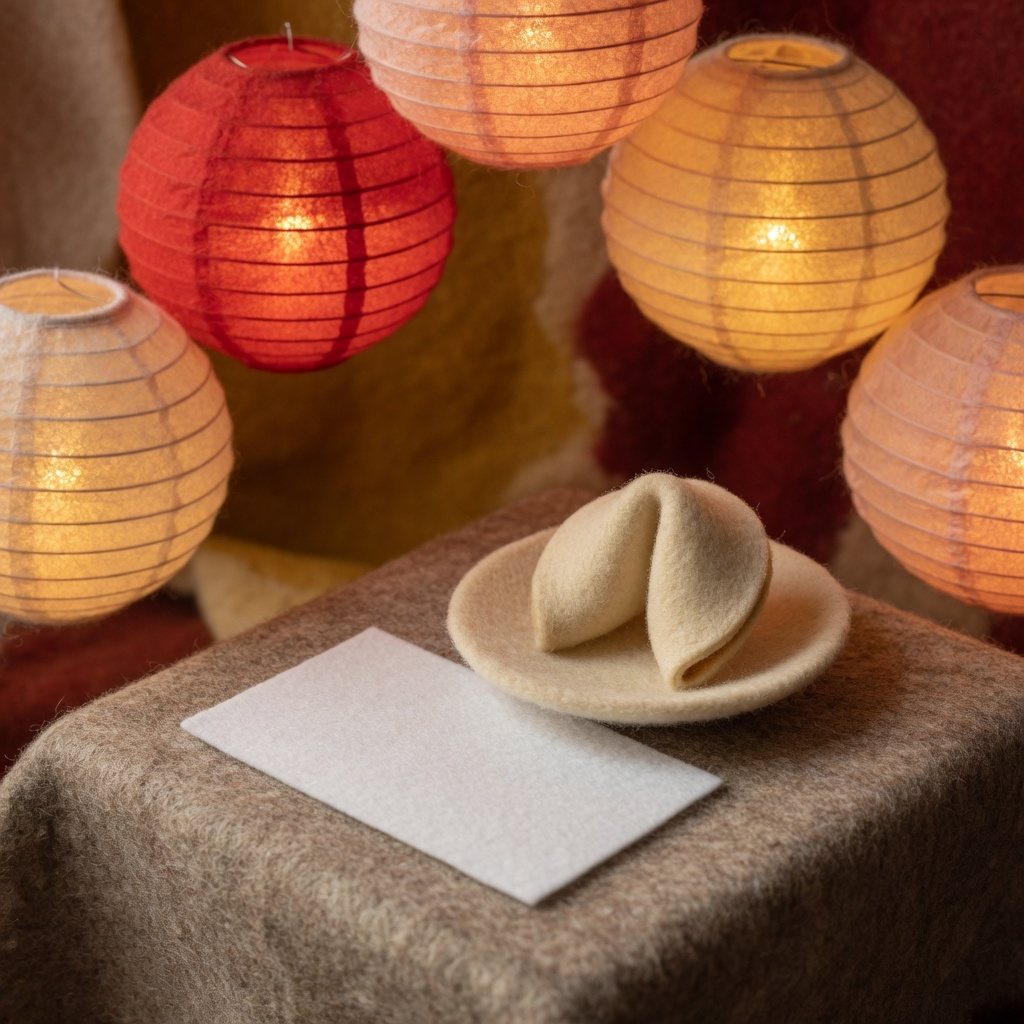
So how did it reach Chinese restaurants? In the early 1900s, Japanese immigrants ran many restaurants that served Chinese food, and they gave out the cookies. Then, in 1942, during the Second World War, the US government forced people of Japanese descent into camps. Japanese bakers had to stop. Chinese American bakers took over, and the cookie became part of Chinese restaurant meals across America.
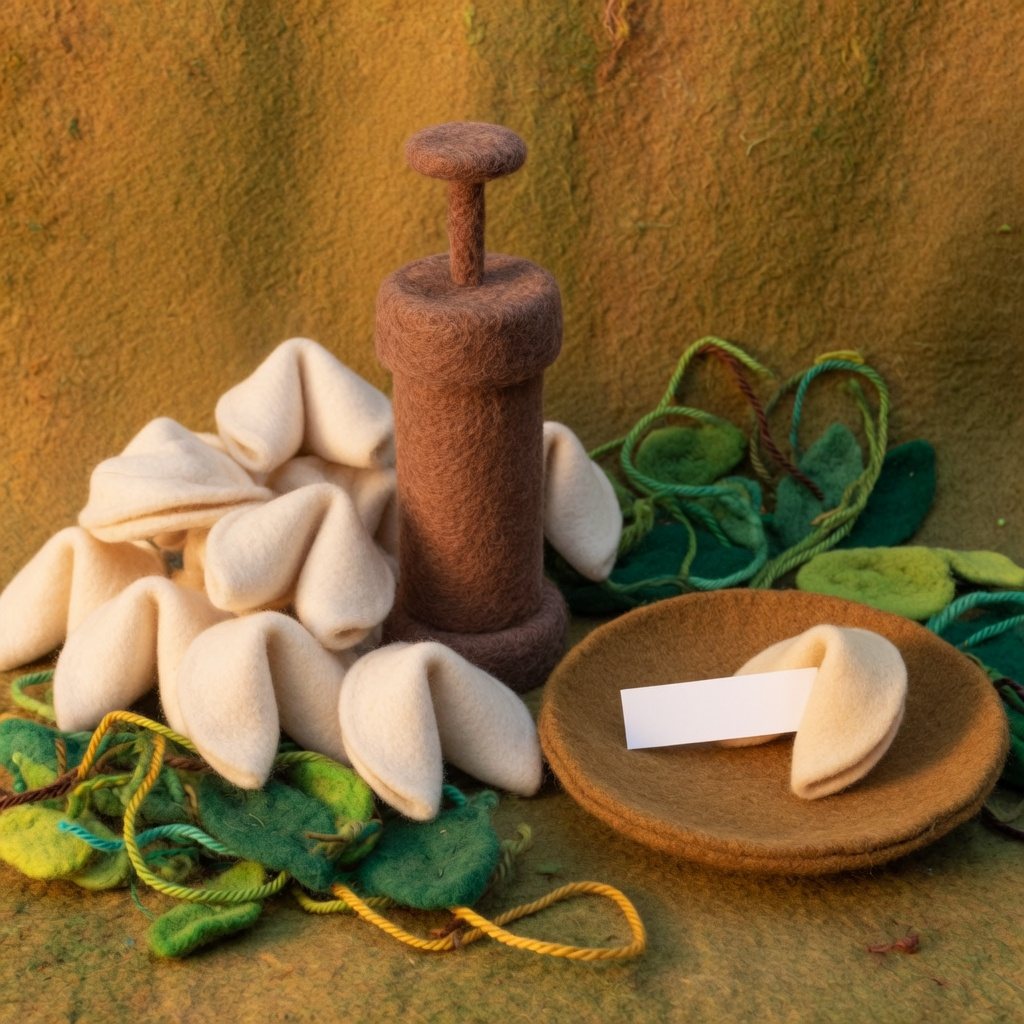
Today machines make fortune cookies by the millions. Yet in China itself, most people have hardly heard of them.
Want to know more?The full history, step by step
The story you've heard
Crack it open, pull out the slip, read your future. The fortune cookie is so closely tied to Chinese restaurants in the United States and beyond that most people assume it came from China.
Visitors to China are often surprised to find it is hardly known there. The real trail leads to Japan, then across the Pacific to California.
A cracker from Japan
In Japan, bakers have long made a folded cracker called tsujiura senbei, sometimes translated as fortune cracker. A slip of paper is tucked into the fold rather than baked inside. The Japanese researcher Yasuko Nakamachi tracked down a family bakery near a shrine in Kyoto still making them, and she found an illustration from 1878 that shows an apprentice grilling the crackers over coals.
The Kyoto versions are larger and browner than the American cookie, and they taste of sesame and miso rather than vanilla and butter. The shape and the hidden message, though, are unmistakable. The writer Jennifer 8. Lee helped bring Nakamachi's work to a wide audience in her book The Fortune Cookie Chronicles.
Tea in Golden Gate Park
Makoto Hagiwara was a Japanese immigrant and landscape gardener who looked after the Japanese Tea Garden in San Francisco's Golden Gate Park, which began as an exhibit at the 1894 Midwinter Fair. His family later said that he introduced fortune cookies to visitors there between about 1910 and 1914, serving them with green tea.
The cookies were pressed by hand in flat iron moulds called kata, some of them stamped with his initials. A popular story says he first handed out cookies with thank-you notes after being sacked and then rehired by the city, but the details vary from telling to telling, so it is best kept as family lore.
When demand outgrew what the garden could make, a local Japanese confectionery took over. Benkyodo, founded in 1906 by Suyeichi Okamura, baked the cookies for the garden for decades, and the family says Okamura helped adjust the recipe to suit American tastes, making it sweeter. Three of Benkyodo's moulds are now in the Smithsonian's National Museum of American History.
Rival claims and a world war
San Francisco is not the only city with a claim. In Los Angeles, the Japanese sweet shop Fugetsu-Do, founded in 1903, has its own family story about the cookie, and David Jung of the Hong Kong Noodle Company also said he invented it. In 1983 a self-styled Court of Historical Review held a light-hearted mock trial in San Francisco and ruled for the Tea Garden. Los Angeles was not convinced. No one person can be shown to have invented it.
The Los Angeles story centres on Seiichi Kito, a Japanese American baker who is said to have tucked short verses inside his cookies and sold them to Chinese restaurants. His descendants still run Fugetsu-Do in Little Tokyo. The grandson of Benkyodo's founder has said the two families never fought over the honour, which is a rather gracious way to share a legend.
How did a Japanese cookie end up in Chinese restaurants? In the 1910s and 1920s, Japanese immigrants ran many restaurants serving Chinese food, and they served the cookies as dessert. Then, in 1942, Executive Order 9066 sent people of Japanese descent, including cookie makers, to incarceration camps. Benkyodo and Fugetsu-Do stopped production. Chinese American bakers stepped in to meet demand, and after the war the cookie became a fixture of American Chinese restaurants. The Hagiwara family never returned to the Tea Garden.
On your plate today
Machines changed the cookie's scale completely. A skilled worker folding by hand might manage around 750 cookies an hour, and an automated machine introduced in 1981 doubled that; modern machines turn out thousands. One Brooklyn company alone, Wonton Food, ships tens of millions every month.
Today fortune cookies are made by machines in vast numbers, and the Tea Garden still serves them, now baked by a Chinatown bakery. So the cookie at the end of your meal is a little piece of Japanese American history: a Kyoto cracker, a San Francisco tea house and a family business that kept baking through hard times.
Timeline
- 1878A Japanese illustration shows an apprentice baking fortune crackers.
- 1894The Japanese Tea Garden opens as part of San Francisco's Midwinter Fair.
- 1906Suyeichi Okamura founds the Benkyodo confectionery in San Francisco.
- c. 1910–1914Makoto Hagiwara serves fortune cookies with tea at the Tea Garden, according to his family.
- 1942Japanese American incarceration halts production; Chinese American bakers take over.
- 1983A mock trial in San Francisco rules in favour of the Tea Garden's claim.
Sources
- Unwrapping the California Origins of the Fortune Cookie · KQED
- Who Invented the Fortune Cookie? · American Heritage
- Ever Wonder Who Invented Fortune Cookies? · Food Republic
Spotted something we got wrong? Message us on any of our channels and we'll check it.
Woolly facts
Fortune cookies are not from China: they grew out of a Japanese cracker called tsujiura senbei.
A Japanese drawing from 1878 shows an apprentice baking fortune crackers over hot coals.
Japan's original fortune crackers taste of sesame and miso, not vanilla and butter.
Makoto Hagiwara is said to have served fortune cookies with green tea in San Francisco's Japanese Tea Garden around 1914.
Three fortune cookie moulds from San Francisco's Benkyodo bakery are kept at the Smithsonian's National Museum of American History.
In 1983 a mock trial in San Francisco ruled that the fortune cookie was born in the city's Japanese Tea Garden.
Early on, fortune cookies were sometimes called fortune tea cakes.
One Brooklyn company, Wonton Food, ships tens of millions of fortune cookies every month.