Chocolate wasn't always sweet: for thousands of years it was a bitter, spicy drink.
Chocolate was not always a sweet treat. For thousands of years, people in Mexico and Central America drank it as a bitter, spicy, foamy drink. Sugar and the solid chocolate bar came much later, from Europe.
For most of its long history chocolate was drunk, not eaten, and it was bitter; sugar and the solid bar are recent European additions.
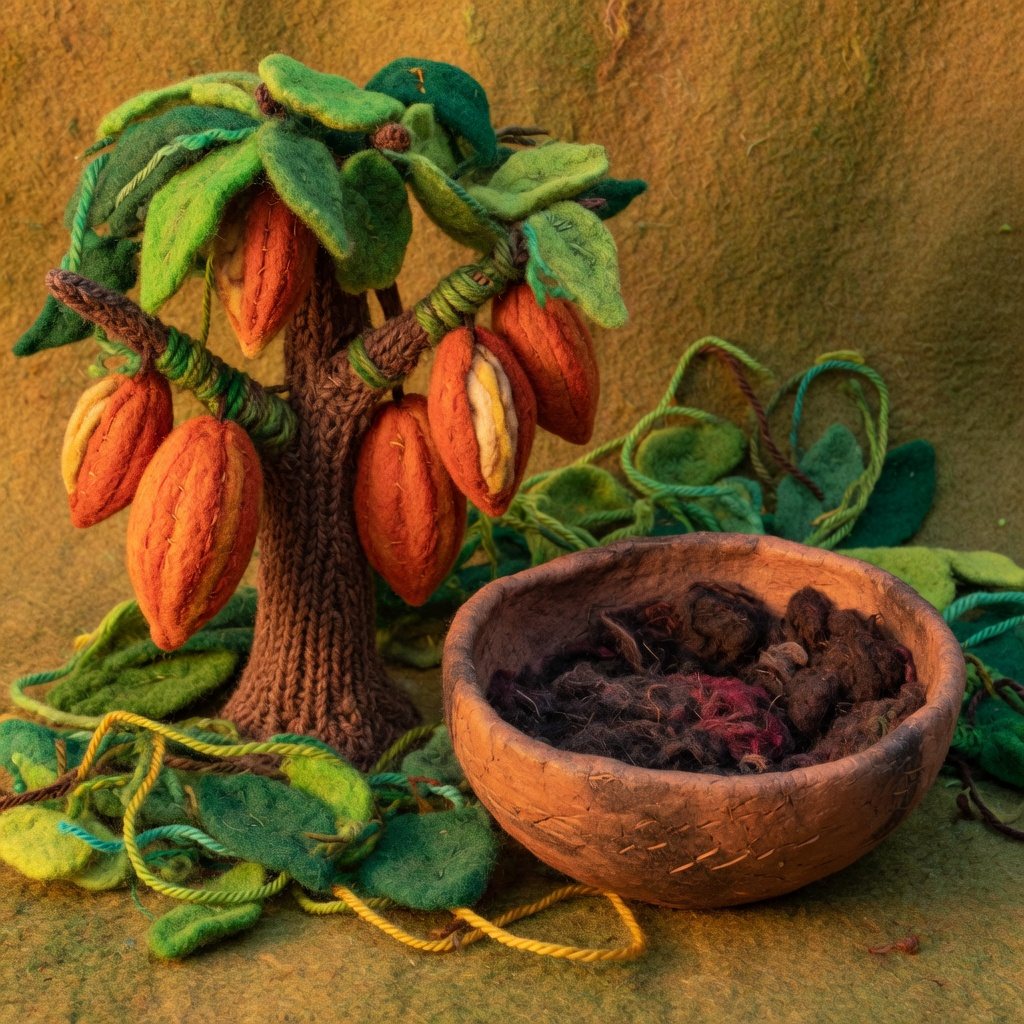
Chocolate comes from cacao beans. These are the seeds of the cacao tree, which grows in warm, wet places. Archaeologists (scientists who study old objects) have found traces of cacao in pots from southern Mexico and Guatemala. Some of these pots are almost 4,000 years old.
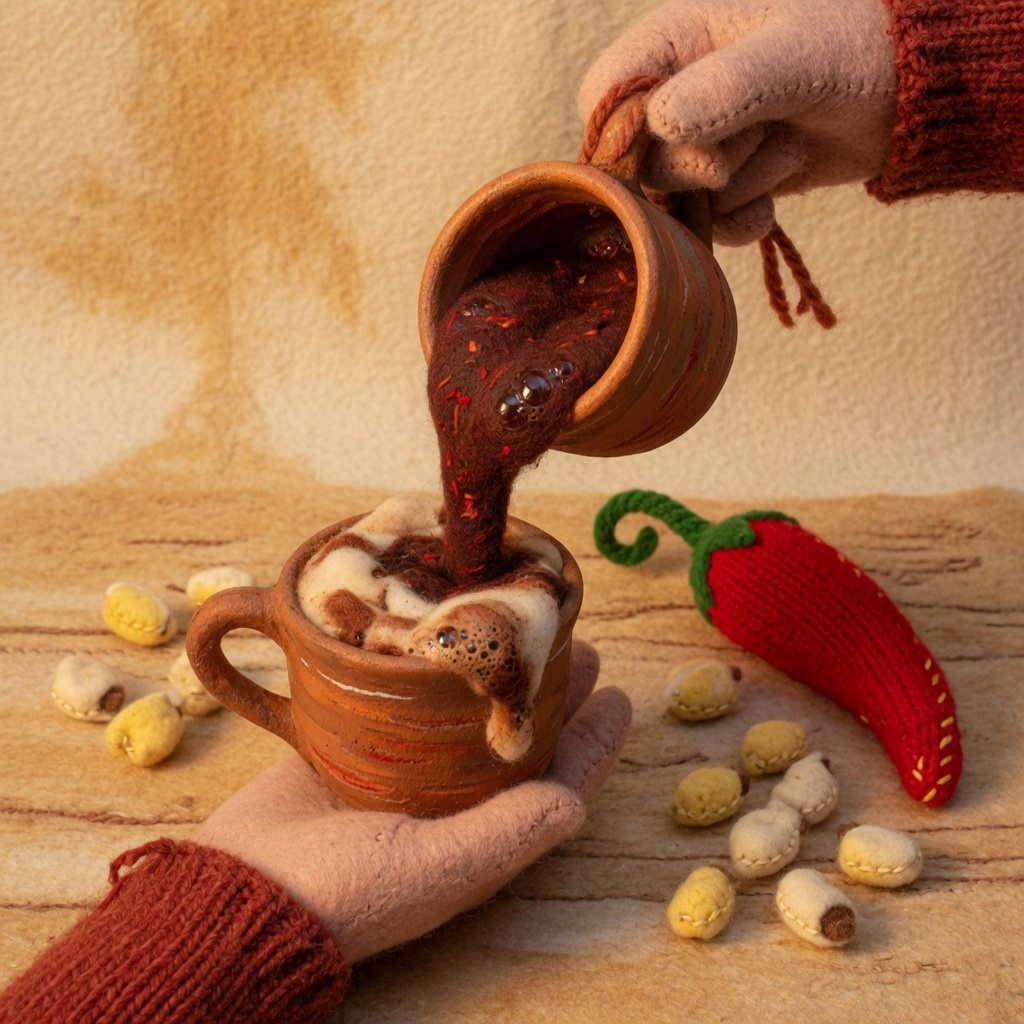
The Maya and later the Aztecs made cacao into a drink. They dried, roasted and ground the beans, then mixed them with water. They added chilli, maize (corn), flowers or honey. Then they poured it from one cup into another, held up high, to make lots of foam. The foam was the best part. The drink was bitter, not sweet.
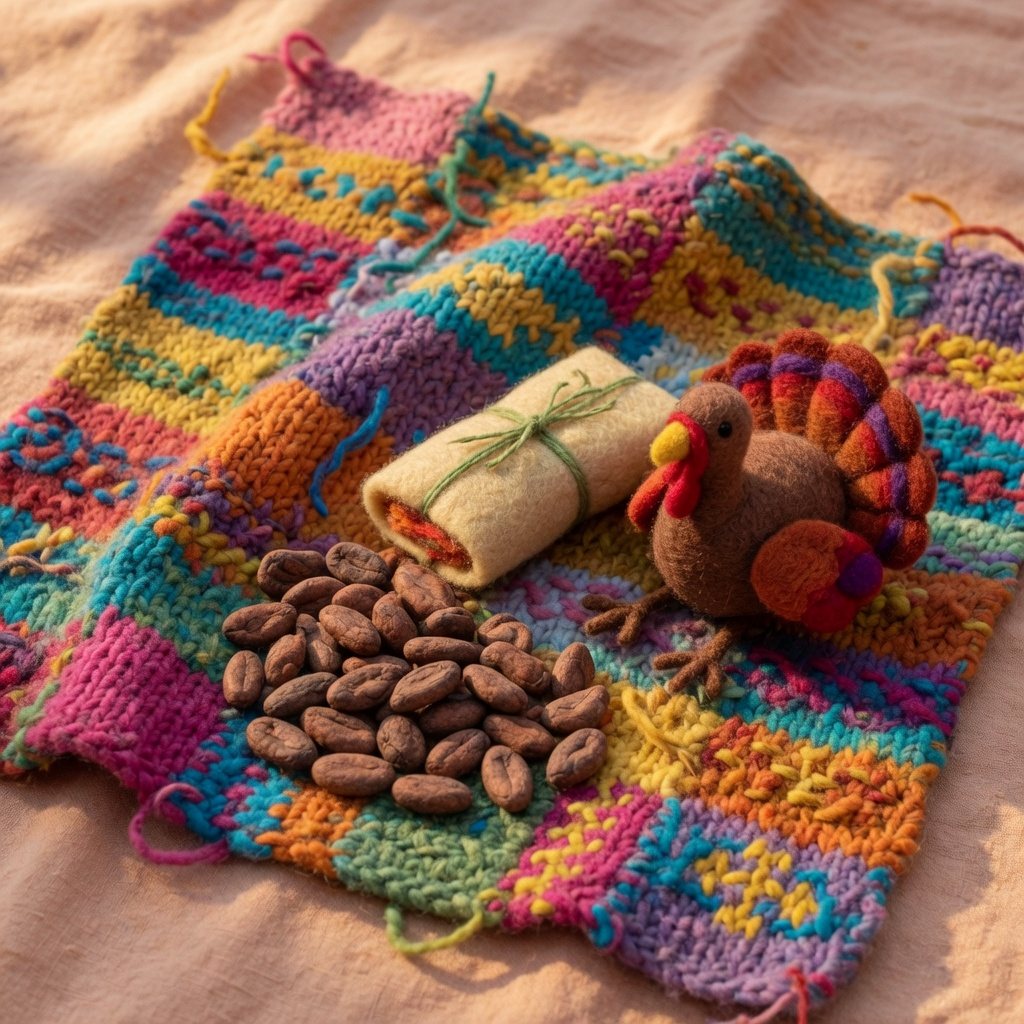
Cacao did not grow near the Aztec capital, so it had to be brought in from far away. That made the beans precious. People used them as money at the market. One old Aztec list says one bean bought a tamale, and a hundred bought a turkey. Some people even made fake beans filled with sand.
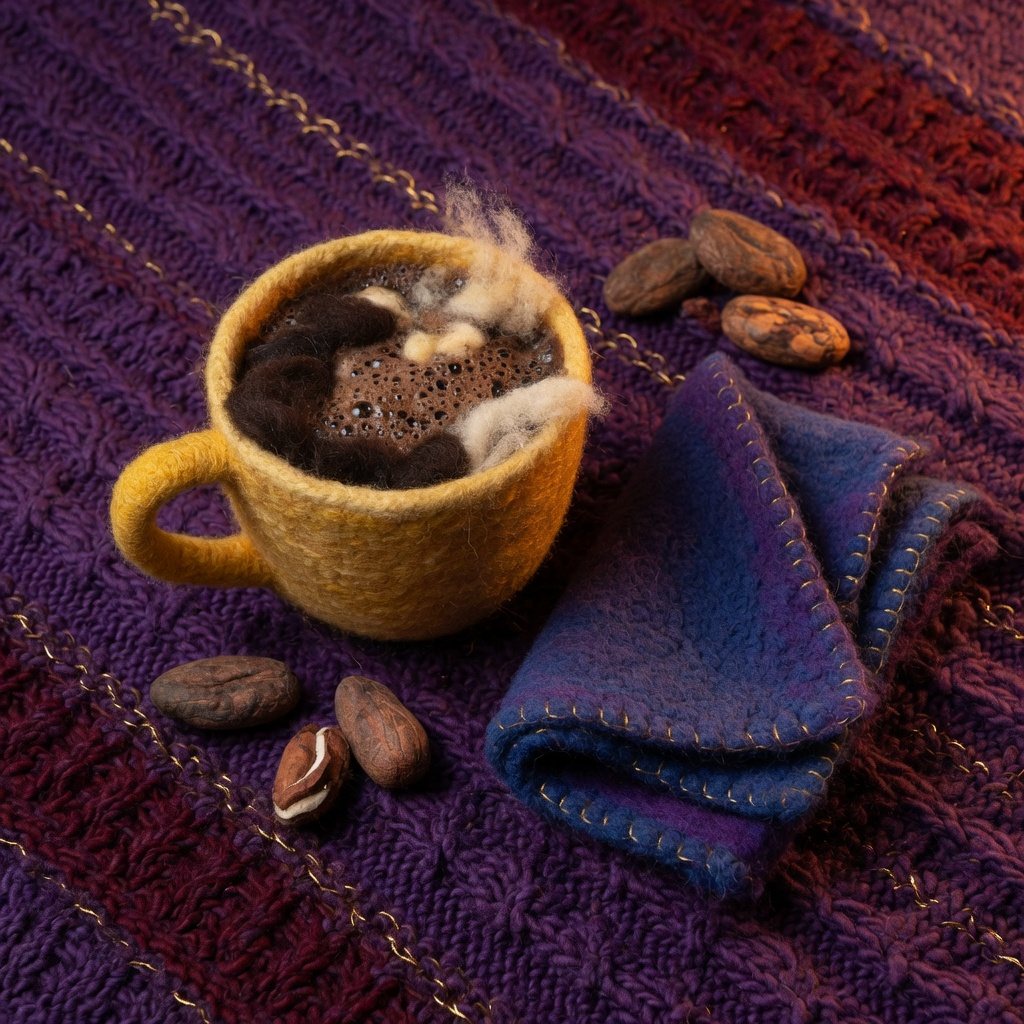
A Spanish soldier later wrote that the Aztec emperor Montezuma drank cacao from cups of pure gold. He wrote this many years afterwards, so it may not be exact. Later stories made it bigger, with claims of fifty cups a day.
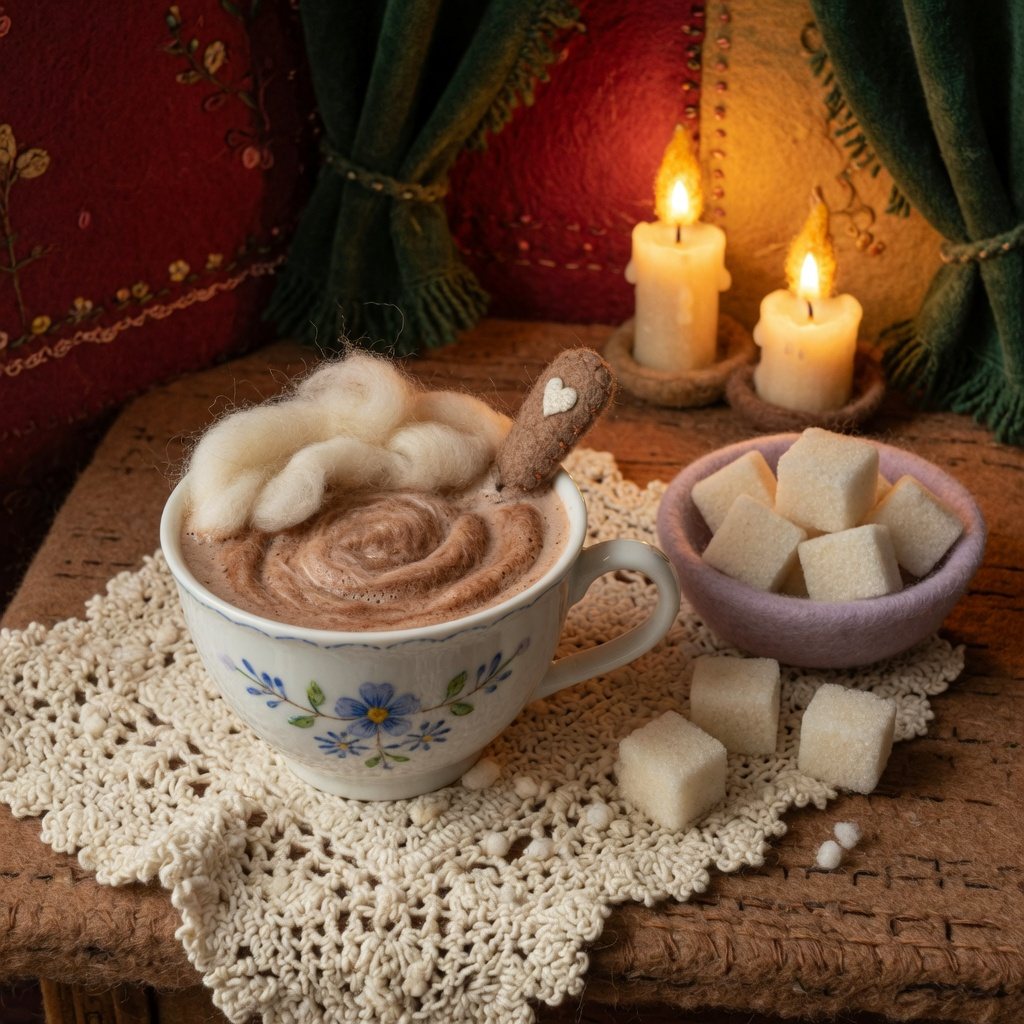
After the Spanish conquered the Aztec Empire in 1521, cacao went to Europe. Europeans found it too bitter, so they added sugar. Sweet hot chocolate became a fashionable drink for rich people.
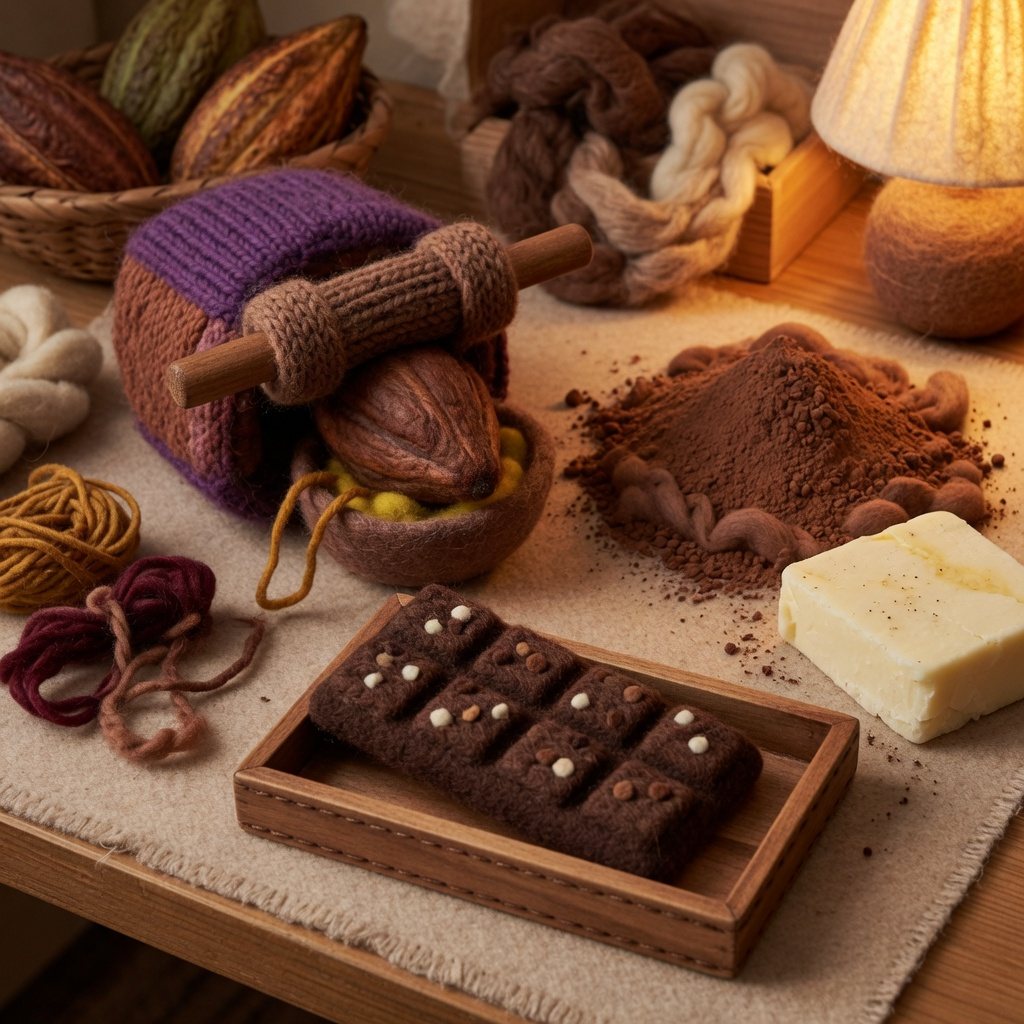
In 1828 Casparus van Houten, in the Netherlands, invented a press. It squeezed out much of the fat, called cocoa butter, and left a fine cocoa powder. In 1847 a British company, J. S. Fry and Sons, mixed cocoa, sugar and cocoa butter into a paste and pressed it into a mould. It is usually called the first chocolate bar made for lots of people to eat. Milk chocolate came later still.
Want to know more?The full history, step by step
The story you've heard
Most of us meet chocolate as something sweet, solid and wrapped in foil. It is easy to assume it has always been a treat, the kind of thing a sweet tooth was made for.
In fact the sweet bar in your pocket is a very young idea. For most of the time people have been enjoying cacao, they drank it, they flavoured it with chilli and maize, and they would have found our milk chocolate rather strange.
A drink with deep roots
Cacao comes from the seeds of the Theobroma cacao tree, a name that means food of the gods. Archaeologists have found cacao residue in pottery from southern Mexico and coastal Guatemala that seems to go back to around 1900 BC, linked to early peoples such as the Mokaya and the Olmec. Some of the earliest drinks may have been made from the sweet pulp around the beans rather than the beans themselves; with no written records from that time, scholars cannot be sure.
By the time of the Maya and, later, the Aztecs, the recipe was well established. The beans were fermented, dried, roasted and ground, then mixed with water. Flavourings included ground chilli, maize, vanilla, flowers, herbs and honey. The Franciscan friar Bernardino de Sahagún, who recorded Aztec life in the sixteenth century, noted that good chocolate was meant to be finely ground, foamy, reddish and bitter.
That foam mattered. Drinkers whipped it up by whisking with a wooden tool and by pouring the liquid from one vessel into another, and an image in the sixteenth-century Codex Tudela shows an Aztec woman doing exactly that. The froth was considered the best part. The Maya drank from tall cylinder beakers, often painted with text naming what they were for, while the Aztecs kept richly decorated cups just for chocolate.
Money you could drink
Cacao did not grow in the cool highlands around the Aztec capital, so it had to be traded or demanded as tribute from lowland regions. That rarity made the beans valuable enough to work as small change. A sixteenth-century Aztec document, quoted by the Natural History Museum of Utah, says one bean could buy a tamale and a hundred could buy a turkey hen. Other price lists give different figures, including two hundred beans for a turkey, so treat the exact rate as a rough guide rather than a fixed price.
Where there is money there are forgers. Some people hollowed out cacao beans and filled the shells with sand or earth, hoping to pass them off at market.
Then there is the emperor. Bernal Díaz del Castillo, a soldier who marched with Hernán Cortés, wrote in later life that Montezuma was served a cacao drink in cups of pure gold. His account was written decades after the events, and later retellings grew bigger with every telling, with claims of fifty cups a day. It is best read as a vivid memory of a royal luxury, not a precise record.
Sugar, presses and the first bars
After the Spanish conquest of the Aztec Empire in 1521, cacao crossed the Atlantic. It was bitter to European tastes, and early on it was even treated as a medicine. Sweetening it with cane sugar and honey changed everything, and within about a century the drink had spread across Europe, becoming a fashionable luxury for the wealthy.
The big technical leap came in the Netherlands. In 1828 Casparus van Houten patented a hydraulic press that squeezed out around half of the cocoa butter in the beans. What remained could be ground into a fine cocoa powder. The family also treated the powder with alkaline salts so it mixed more easily with water, a process still called Dutching. The patent is often credited to his son Coenraad, but the patent itself names the father.
Once cocoa butter could be separated, it could also be added back. In 1847 J. S. Fry and Sons of Bristol, a firm whose roots went back to a Bristol apothecary's shop of the 1700s, combined cocoa, sugar and extra cocoa butter into a paste that could be pressed into a mould. It is usually credited as the first chocolate bar made for widespread eating, although historians note that other makers were already selling forms of eating chocolate around the same time.
On your plate today
Milk chocolate, smooth bars and chocolate eggs all came later still, in the second half of the nineteenth century. Next time you unwrap a bar, it is worth remembering the long line behind it: Olmec and Maya farmers, Aztec traders counting beans, and a frothy, peppery drink that tasted nothing like dessert.
Timeline
- c. 1900 BCCacao residue appears in pottery from southern Mexico and coastal Guatemala.
- 1500sAztec markets use cacao beans as money; Sahagún records how chocolate is made.
- 1521Spanish conquest of the Aztec Empire; cacao soon reaches Europe.
- 1568Bernal Díaz completes his account describing Montezuma's cacao drink served in gold cups.
- 1828Casparus van Houten patents a press that separates cocoa butter and makes cocoa powder.
- 1847J. S. Fry and Sons of Bristol produces a moulded eating chocolate bar.
Sources
- Chocolate in Mesoamerica · World History Encyclopedia
- Chocolate: Its Origins · Natural History Museum of Utah
- The Dark Gold · Wereldmuseum Amsterdam
- Van Houten's Chocolate · Grace's Guide to British Industrial History
- Joseph Fry · Candy Hall of Fame
Spotted something we got wrong? Message us on any of our channels and we'll check it.
Woolly facts
The name of the cacao tree, Theobroma cacao, means food of the gods.
Traces of cacao have been found in pots from southern Mexico and Guatemala dating back to around 1900 BC.
In Aztec markets, cacao beans were used as money: one old list says a hundred beans could buy a turkey.
Some Aztec-era cheats hollowed out cacao beans and filled them with sand or earth to make fake money.
Aztec chocolate was meant to be foamy, reddish and bitter, and the foam was thought to be the best part.
A Spanish soldier wrote that Emperor Montezuma was served his cacao drink in cups of pure gold.
In 1828 Casparus van Houten patented a press that turned cacao into fine cocoa powder.
In 1847 J. S. Fry and Sons of Bristol made a moulded chocolate bar, usually called the first one made for everyday eating.